This last week I've seen many examples of people struggling with situations and problems that should be simple to overcome, yet full-on meltdowns have ensued. It's really got me thinking about why society appears to have become less resilient.
As with most things, I like to understand the definition and meaning of a word to ensure that I am thinking about the right problem.
What is resilience?
Resilience is the ability to mentally or emotionally "bounce back" from difficult experiences, stress, or adversity. It is the process of adapting well in the face of challenges, trauma, or significant hardships, allowing a person to recover and move forward rather than being overwhelmed.
The example that has got me thinking the most is the reactions I've seen to overnight bridge closures local to me for essential repairs. The outpouring on a well-known social media networking service has been nothing short of entertaining to say the least — it's been a "grab the popcorn, sit back and enjoy the comments" moment.
Now, to give this closure some context: the bridge over the river is the only way in or out for some people, so the diversion is very long indeed and a massive inconvenience, which I really do understand. Please don't get me wrong. What's made things worse is that the diversion takes you through another town, and guess what? Yes, that has also had nighttime closures for roadworks at the same time, making things very confusing for non-locals and locals alike.
Adapting well? Not quite...
The reactions haven't really been congruent to the inconvenience, and I believe this is down to a lack of resilience. But why?
Being unable to adapt to challenges and change — this is the problem. It's not like we haven't had plenty of warning, notice and constant reminders on social media. So why the meltdowns and attacks on social media? This is what I'm trying to understand. Let's break it down.
Change has happened; the bridge is closed. We notice this as we approach the bridge and find it closed off. For some reason, this is the council's or the roadworkers' fault that YOU didn't remember, and YOU now have a major inconvenience of an extra 20-30 minute drive to get home.
We feel our physiological state change as the red mist creeps in. Our amygdala is triggered and we are deciding which of the fight, flight or freeze responses is most likely. Yup, you guessed it — "fight" wins the battle and the anger levels creep up and up. The extra journey home is then spent repeating expletives and thinking about how we are going to type out our frustrations when we eventually make it home. But of course, the nearby town diversion hits and the levels of anger and frustration go off the scale.
What did we do wrong?
Well, the first thing surely must be a lack of planning for the journey. Checking routes before we left work would have highlighted the problem and sent you another way, saving you from having to drive to the bridge only to realise it's closed.
Secondly, we need to learn to "respond" not "react" when we are faced with adversity or change. Please see my E+R=O posts for a more comprehensive insight into this equation. We must think about how we can find a positive outcome from the negative event we find ourselves in — take time to think everything through logically rather than just react and waste energy on things you can't control.
Thirdly, tick off the "what ifs". Before you leave, think about all the variables or problems that may occur and impact your journey, then think of solutions for what you may do should they happen. This will reduce the shock or surprise if they do happen, meaning you can calmly respond when they occur rather than having a negative reaction and meltdown.
Resilience is a mindset thing
Back towards the end of 2018, I suffered a second mild stroke leaving me with limited use in my left side, especially my arm. About six weeks after this stroke, on the 5th of January 2019, I stood on the start line of the Special Forces Fan Dance march — a 15-mile race across the Brecon Beacons with 40lb weight carried in a bergen and in army boots.
For me, not being on the start line wasn't an option. I'd trained hard and I wasn't going to throw the opportunity away. I could have made a choice to sit at home and feel sorry for myself and let the stroke define what I couldn't do. But I didn't. I stuck two fingers up on my good arm and made the decision to toe the line. I put my weak left arm in a sling, strapped it in and busted my backside to do the best I could. I made a positive choice to deal with a negative situation.
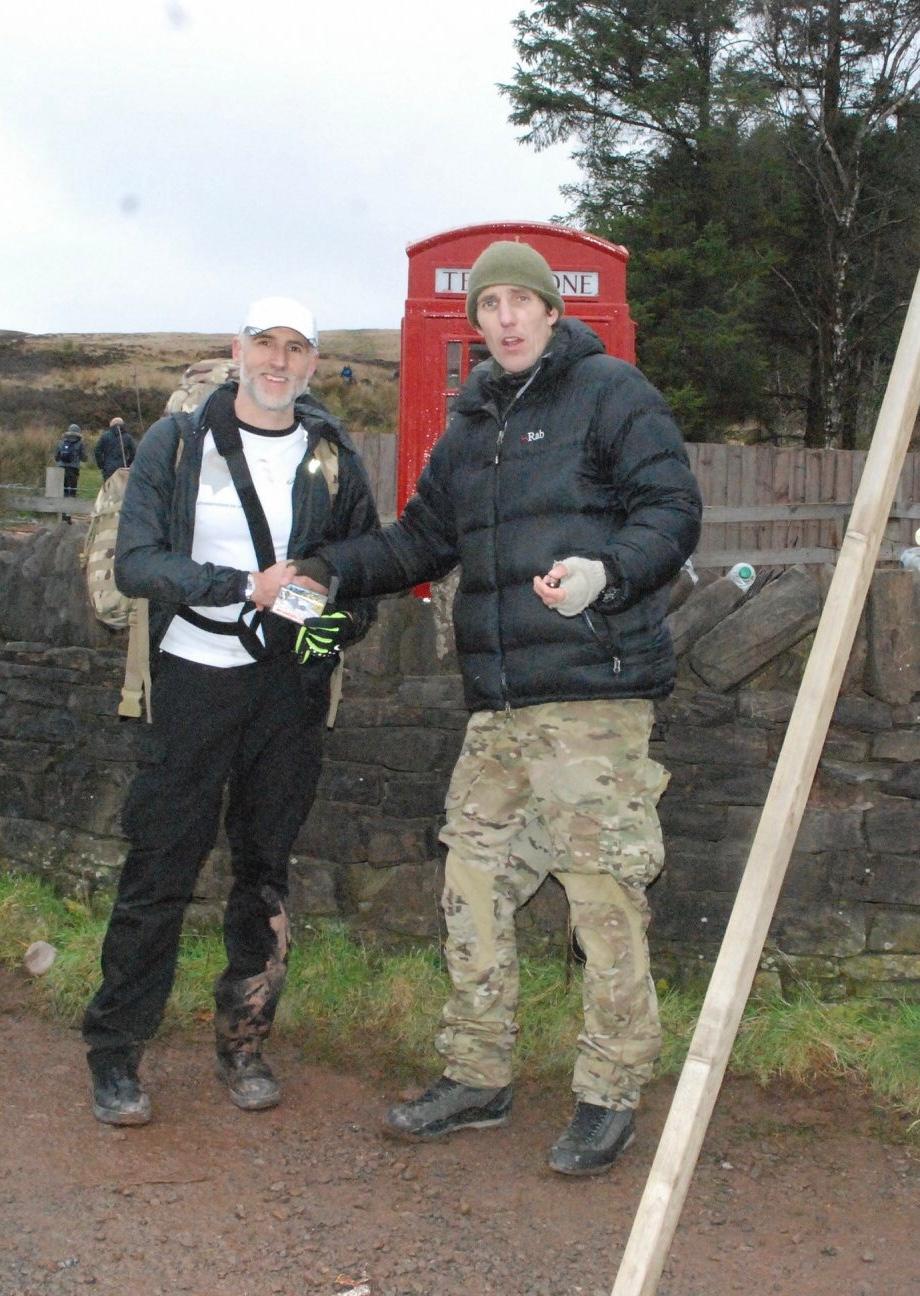
Here I am with an SAS Soldier handing me my patch for completing the event — ahead of a lot of fully fit, able-bodied competitors.
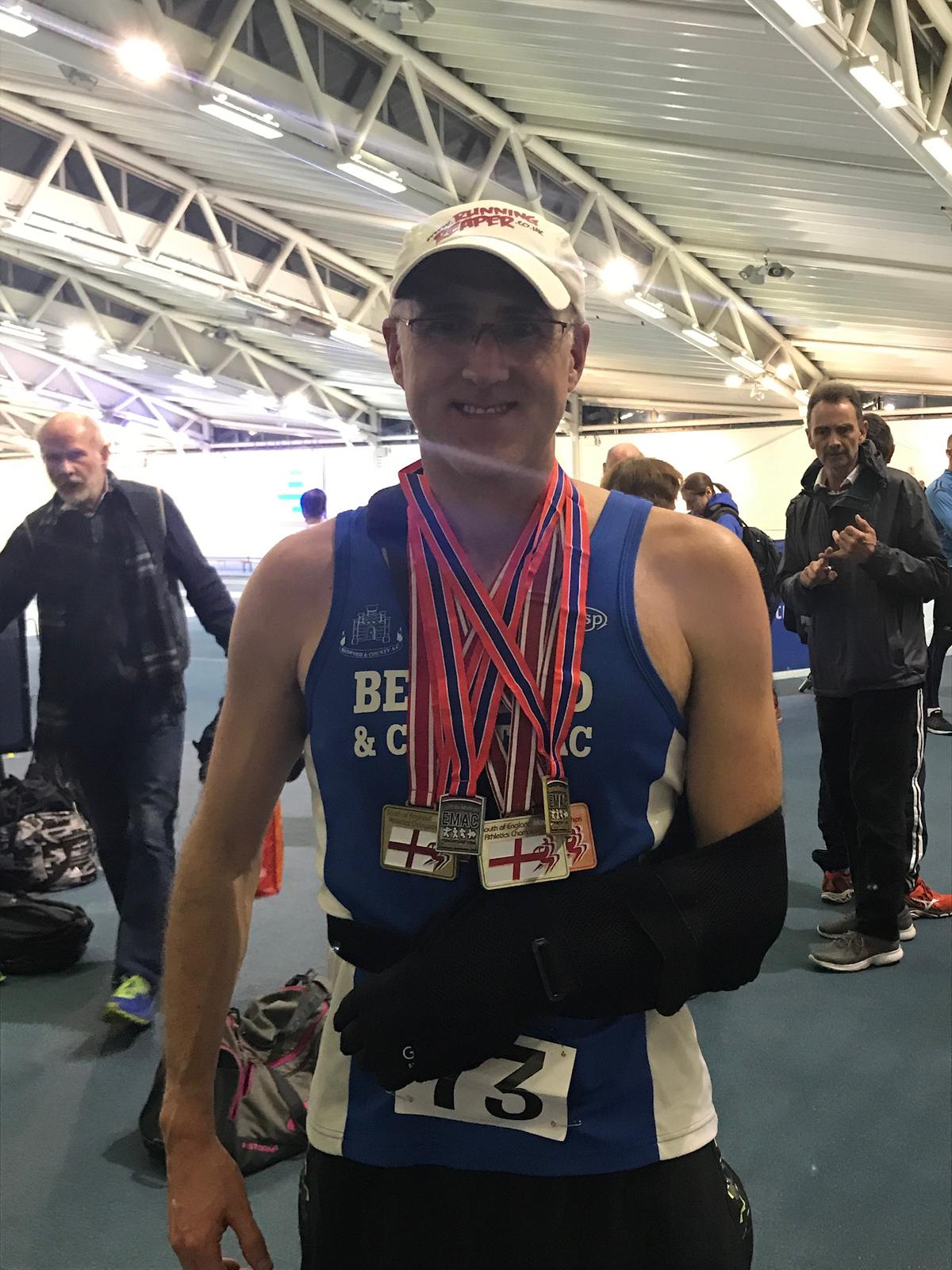
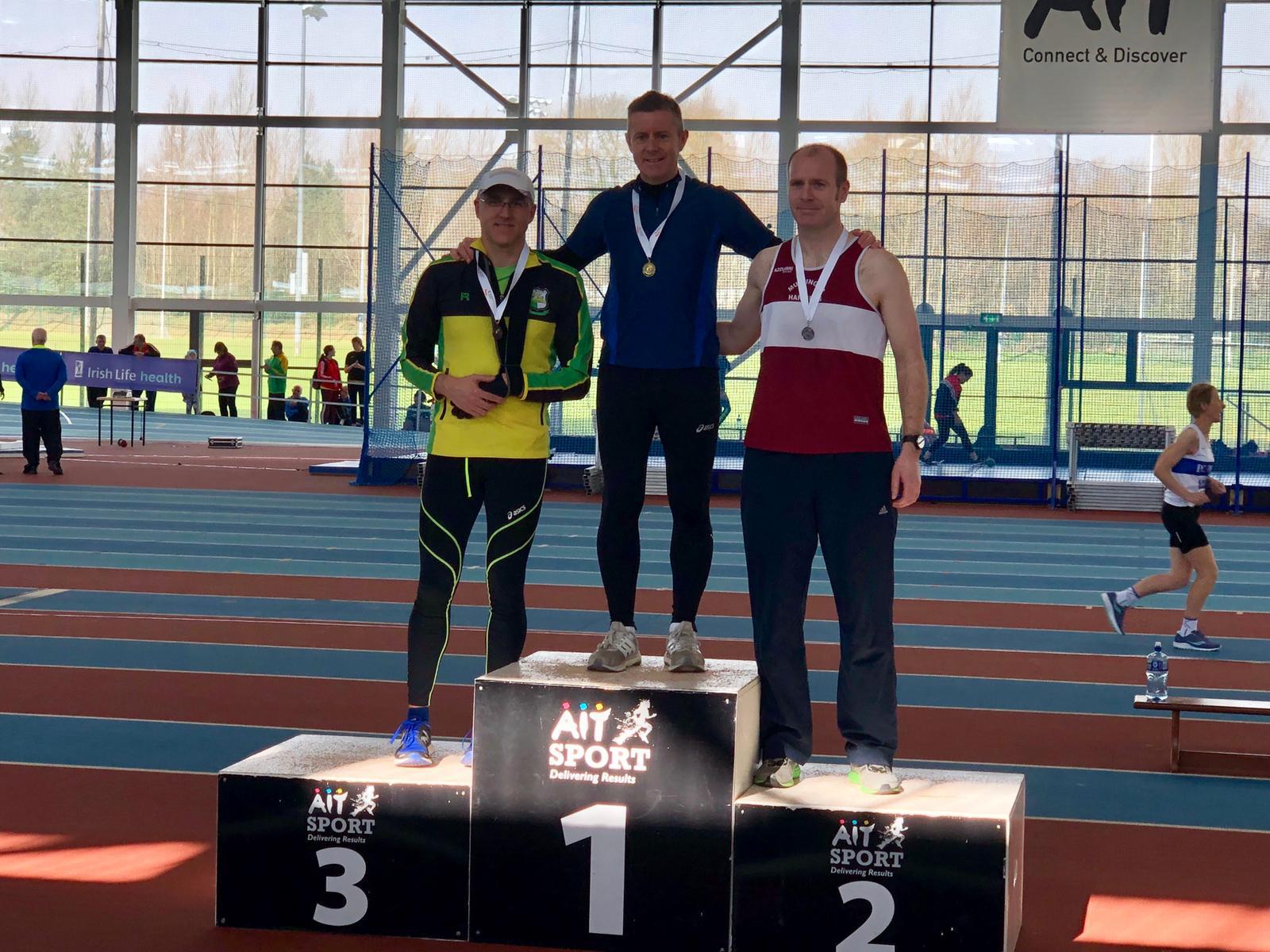
Fast forward eight weeks and I found myself in Ireland competing at the National Indoor Championships, arm still strapped in a sling. But I toed the line to give my best and I was rewarded with two national medals: a gold and a bronze. Again, I made a choice to deal with the adversity and situation I found myself in and did something positive about it. No meltdown, no "woe betide me" — just a positive (and stubborn) mindset that I can still achieve great things if I want to.
You don't have to be superhuman
I'm not expecting everyone to follow my examples. However, I want to show that you can overcome adversity if you really WANT to. Your body is incredible and it can be pushed to incredible limits — it's just your mindset that holds you back, trust me. You can go on when things get a little bit uncomfortable. You really must push through, and I can assure you that you can do incredible things if you want to when the chips are down.
How do you and others react to change and adversity?
Do you notice colleagues, friends or relatives reacting to situations disproportionately? Do you sometimes find yourself getting wound up when inconvenienced?
It's often after the event that we look back and reflect on how we handled things, and often hindsight is a wonderful thing. Yet we can reduce a lot of the anxiety, stress and worry caused by planning better and being prepared for what may or may not be thrown at us over the course of a day, a week or a year.
Please let me know how you deal with challenges you face.
Speaking of resilience...
Next week I am speaking at a business event where I will be sharing my personal journey with other business owners about the cards I have been dealt through life and how I adopted my mindset to overcome loss and adversity. It will be inspirational and full of tools and tips for how to deal and cope when a setback knocks at your door.
If your company would benefit from something similar, please get in touch. Or if you have a team member, friend or family member that struggles with change and adapting positively, likewise please send them my way.
Thank you for reading and I hope this is insightful.
Diesel.